Create Your Own Reflection Space – A Place Where Thoughts and Feelings Can Find Calm

Create Your Own Reflection Space – A Place Where Thoughts and Feelings Can Find Calm
In a world that moves quickly and demands our constant attention, it can be difficult to find a moment of stillness. Many of us long for a space where we can pause, breathe, and reconnect with ourselves. A reflection space doesn’t have to be large or elaborate. It’s about creating a personal corner – physical or mental – where your thoughts and feelings can settle and find calm.
Why a Reflection Space Matters
A reflection space is a place where you can be alone with your thoughts, free from distractions. It can help you process emotions, manage stress, or navigate life’s changes. When you give yourself time to reflect, you begin to understand what you truly need – and that understanding brings a sense of peace.
Having a dedicated space for reflection can also create a feeling of safety and stability. It becomes a quiet anchor in your day, a place you can return to whenever life feels overwhelming.
Creating the Space – Start with Yourself
There’s no single right way to design a reflection space. What matters most is that it feels like yours. Think about what helps you relax and feel grounded.
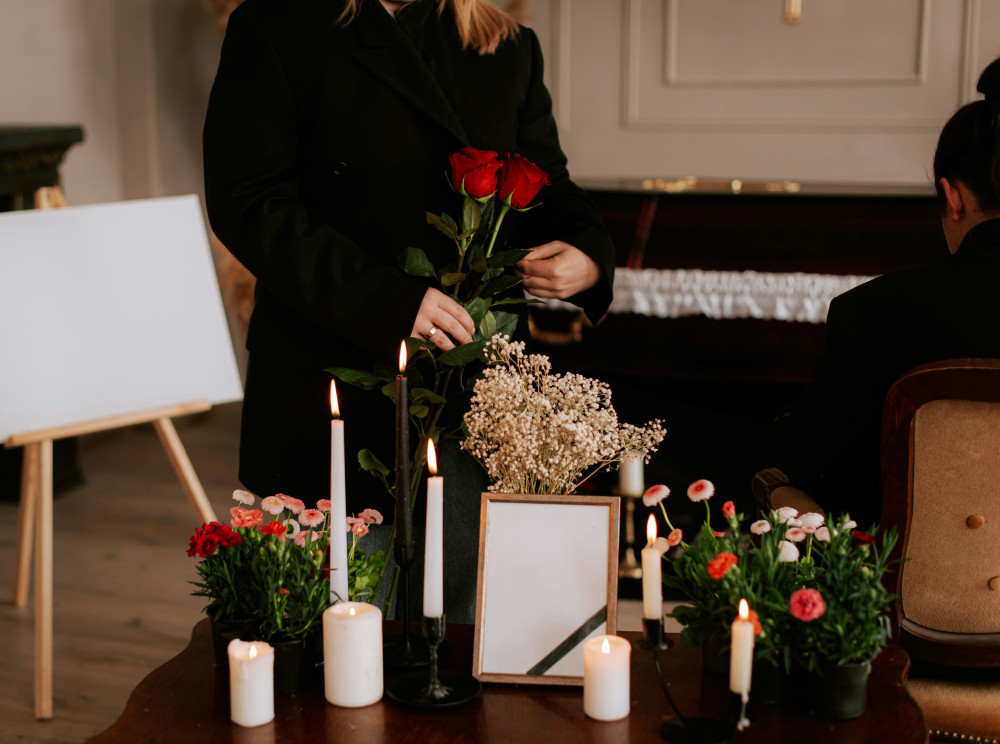
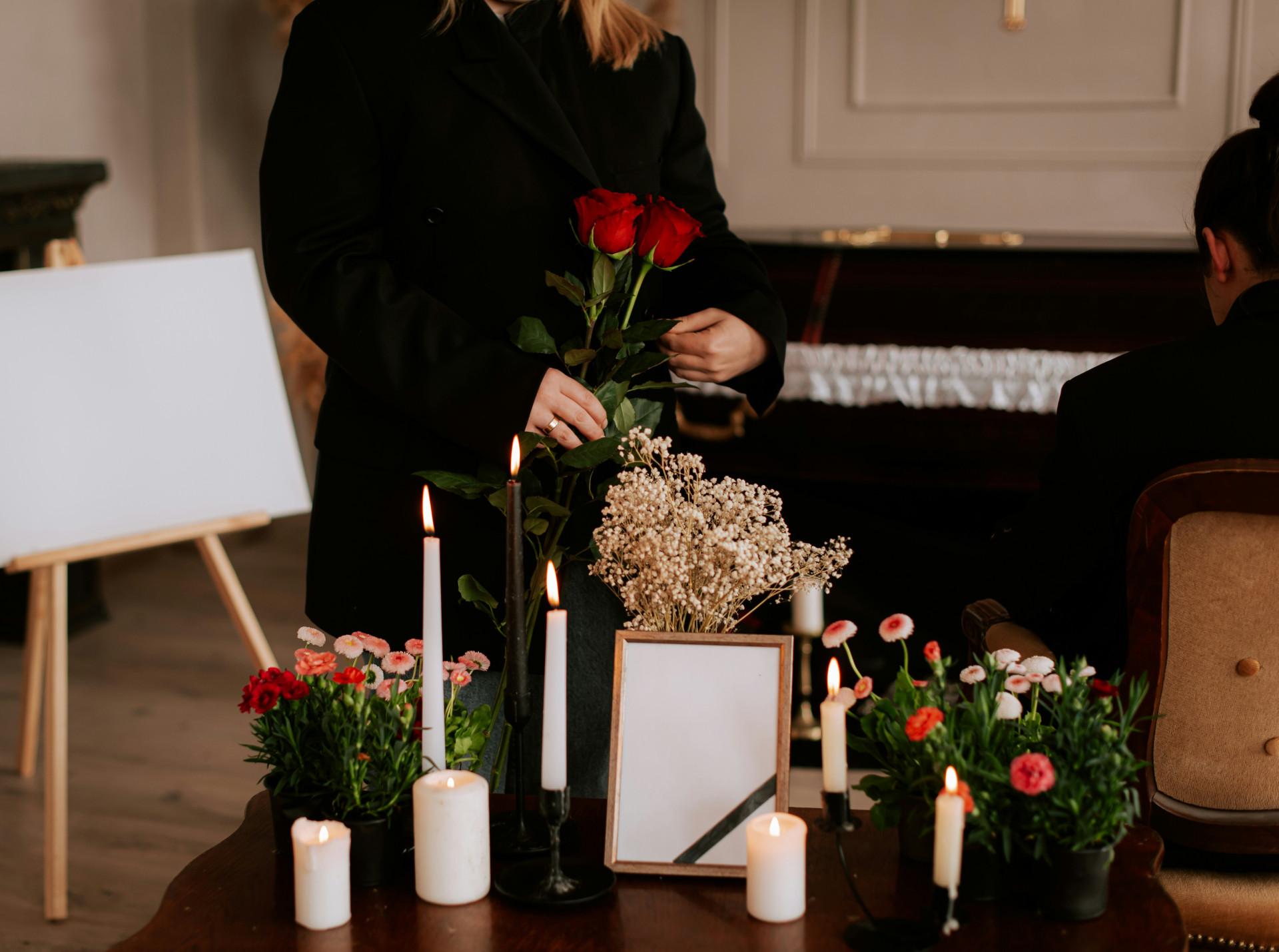
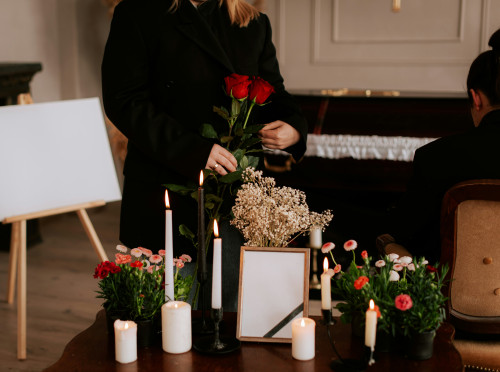
- Choose a spot where you can be undisturbed. It might be a corner of your living room, a seat by the window, a garden nook, or a favourite place in nature – perhaps near the sea or under a tree in your local park.
- Engage your senses. Soft textures, gentle lighting, a warm blanket, or the scent of a candle can help your body unwind.
- Include personal symbols. A photograph, a shell from the Irish coast, or a small object that holds meaning can make the space feel deeply personal.
- Keep it simple. Your reflection space doesn’t need to be perfect – it just needs to feel authentic.
For some, reflection isn’t tied to a physical space at all. It might be a daily walk along the river, a few quiet minutes with a cup of tea, or a moment of stillness before bed. What matters is that you create a space – in your surroundings or in your routine – where you can simply be.
Making Room for Your Feelings
When you sit in your reflection space, a range of emotions may surface – calm, sadness, gratitude, or restlessness. Try not to push them away. Instead, notice them gently, as if they were visitors passing through. By allowing your feelings to exist, you often find that they lose some of their intensity.
You might find it helpful to write down your thoughts, sketch, meditate, or simply sit in silence. Reflection isn’t about solving problems; it’s about listening to yourself with kindness.
Bringing Reflection into Everyday Life
A reflection space works best when it becomes part of your daily rhythm. Set aside regular moments – perhaps ten minutes in the morning or a short pause before sleep. It’s not the amount of time that matters, but the consistency.
Over time, you may notice that reflection helps you not only in difficult moments but also in appreciating the small joys of everyday life – the sound of rain, the warmth of a friend’s voice, the beauty of a quiet morning. It strengthens your ability to be present and grateful.
When Life Changes
During times of loss, transition, or uncertainty, your reflection space can become a sanctuary. It’s a place where you don’t have to perform or explain – where you can remember, cry, smile, and slowly find your footing again.
Allow your space to evolve as you do. You might want to bring in more light, new colours, or different objects that reflect where you are now. Your reflection space can grow and change alongside you.
Læs også:



A Place to Return To
Creating a reflection space is an act of care for yourself. It’s a place where you can find calm when the world feels noisy, and where you can remember who you are beneath the busyness of life. However you choose to shape it, the most important thing is that it feels like a space where you can truly be yourself – a quiet haven to return to, again and again.
Læs også: